
Why Muslin Belongs in Your Refrigerator, Pantry or Larder
Muslin isn’t just a cloth—it’s a thread connecting us to centuries of human ingenuity.
If you’ve ever tossed wilted greens into the trash or compost, struggled to keep cut herbs fresh for more than a day, or returned to stored root vegetables that where limp or developing brown outer leaves, you’ve encountered problems our ancestors solved with nothing more than a square of breathable fabric. And you can too! This isn’t about reinventing the wheel; it’s about remembering what we already knew.
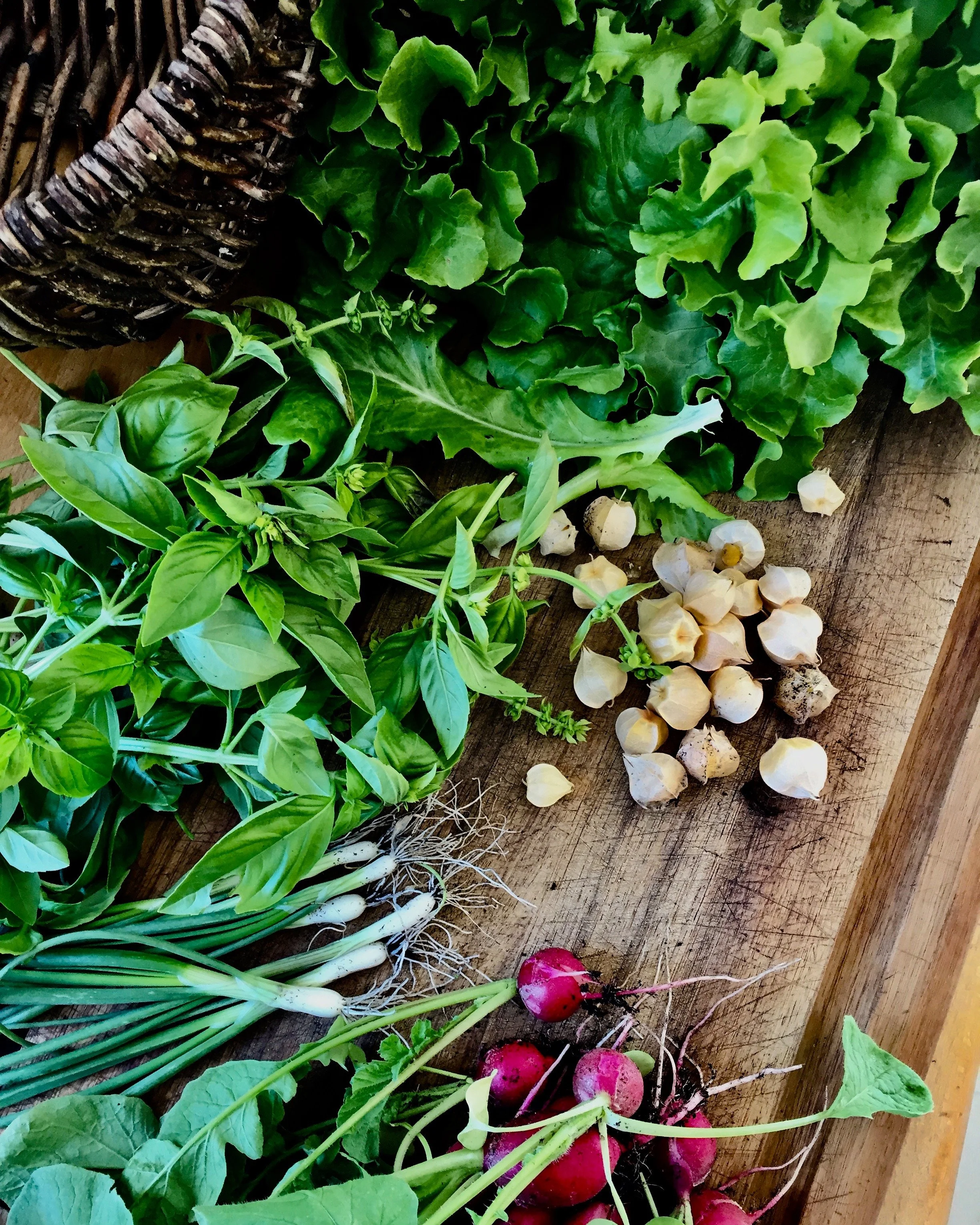
Many of us associate muslin with swaddling newborns, but that specific more modern use is a blink in its 1000s-year history. Woven as early as the 9th century in Dhaka (now Bangladesh), muslin was once so prized it was called "woven wind"for its delicate yet durable nature. Traders carried it along the Silk Road, and by the 18th century, it was a staple in European households—not for babies, but for wrapping food, protecting clothes, and even filtering tea. It was the original zero-waste tool, long before plastic wrap or a disposable culture existed or consumed our habits.
Today, as many of us seek to return to slower, more intentional living, muslin is having a quiet renaissance. It’s 100% natural, plastic-free, and refreshingly low-tech—a perfect fit for anyone looking to reduce waste, simplify their home, and reconnect with the rhythms of the past - finding balance. And the best part? It doesn’t ask you to slow down; it just makes the things you already do a little easier (in the sense that things last longer), and a lot more sustainable.
Muslin for your Pantry, Larder or Refrigerator
Using muslin isn’t about adding extra steps to your routine; it’s about replacing the rush of modern convenience with the rhythm of mindful care. It’s the difference between tossing your lettuce still in its plastic bag in the refrigerator and taking 30 seconds to wrap it in a cloth—knowing it’ll stay fresh longer, and you’ll waste less. That’s slow living in action.
WHAT IS MUSLIN?
When I talk about muslin for the pantry or larder, I’m not referring to just any cloth. I mean 100% cotton muslin—specifically the kind that’s:
Entirely natural: Unbleached, free of dyes, prints, or synthetic treatments. Pure muslin ensures nothing unwanted leaches into your food
Loosely woven: The birdseye weave is my top choice for damp refrigerator food storage. Its textured pattern creates tiny pockets of air, making it ideal for airflow, temperature control, and moisture management. Want to know more about weave options? check out Muslin Weaves Explained: Which One Is Right for You?
Organically grown and processed: The cotton should be grown without synthetic pesticides or fertilizers and processed without harsh chemicals. While GOTS® (Global Organic Textile Standard) or OEKO-TEX® certifications provide assurances, they’re not the only indicators of quality. Many small, independent producers follow organic and ethical practices but can’t afford the process of certification. Transparency and trust in the supply chain are key—look for suppliers who openly share their sourcing and production methods.
Manufactured under strict standards: I prioritize muslin made in regions with strong textile regulations, such as the EU, or from trusted manufacturers—whether in the U.S., India, Turkey, or Egypt—who can demonstrate their commitment to organic and ethical practices.
Why India, Turkey, or Egypt for cotton?
First, both the EU and the U.S. which seem like great options for organic cotton muslin - aren’t necessarily. The EU has several excellent small producers of organic cotton, particularly in Greece, Spain and Italy, but their scale is niche. As far as I’m aware, at the time of this posting, none produce organic cotton at a commercial scale for mass consumer use. The U.S. also has production of organic cotton from Texas, California and patches of the South East but concentration is on organic cotton for the apparel market not for muslin cloth.
That is not to say you cannot find it, but when you do, it’ll be small batch, rural production (something I favor). But, unless you have found the narwhal of muslin in the EU or U.S. - rare, elusive, and almost mythical - you can assume your organic muslin “Made in the EU or U.S.” means it is woven and finished muslin made of organically grown cotton from elsewhere.
Of India, Turkey and Egypt, these regions are renowned for their high-quality, long-staple cotton, which is softer, stronger, and more durable. It’s also where some of the world’s finest muslin has been woven for centuries. By choosing cotton from these areas, you’re not just getting a superior product—you’re supporting traditions that have stood the test of time. And, yes, there are other large countries with production of cotton, but their origins, pesticide use and labor practices cannot necessarily nor readily be independently verified and trusted to be accurate.
WHY MUSLIN TRANSFORMS YOUR PANTRY & LARDER
Muslin isn’t just a cloth—it’s a game-changer for keeping your produce fresher longer.
If you’ve ever thrown out wilted greens, rubbery carrots, or slimy herbs, you’ll appreciate how this simple sheet of cotton can cut your food waste and save you money. Here’s how I use it in my own kitchen, along with the science and tradition behind it.
Why It Works: The Science and History Behind Muslin
Muslin doesn’t just wrap your produce—it creates a micro-environment that mimics nature’s own balance. Here’s how it works:
Airflow and Gas Exchange:
The breathable fabric allows ethylene gas (the natural plant hormone that speeds up ripening and spoilage) to escape, while still maintaining the humidity your produce needs to stay crisp. Think of it as a goldilocks zone: not too dry, not too damp, just right for extending freshness.Moisture Balance:
Muslin wicks away excess moisture (which causes rot) while keeping enough humidity to prevent wilting. This is especially critical for leafy greens, herbs, and root vegetables, which thrive in cool, slightly damp conditions.Darkness and Protection:
Wrapping produce in muslin blocks light, which can degrade nutrients and accelerate spoilage. It also shields delicate items (like lettuce or berries) from bruising and temperature fluctuations in the fridge as the door is opened and closed or room temperature or warm items are added to the inside shelves.
What Muslin Doesn’t Do
It’s not a miracle cloth—your cucumbers won’t last a month, and forgotten greens will still wilt. But what muslin does do is extend the optimal window for using what you’ve already bought. It gives you more time to enjoy your food and less waste—which is especially valuable in a world where convenience often trumps sustainability.
Historical Context: From Wax to Muslin
Long before refrigerators, people relied on natural storage methods to preserve food:
Damp cloths, sand, and straw were used to keep root vegetables and leafy greens fresh in root cellars which provided cool, dark and damp conditions.
Wax and oil-treated cloths (similar to today’s beeswax wraps) were also common, especially for wrapping cheese, bread, or dried goods. These cloths were often dipped in beeswax, resin, or plant oils to create a semi-permeable barrier—breathable enough to prevent mold but protective enough to slow drying.
Muslin cloth entered household kitchens in the late 19th and early 20th centuries as a lighter, more versatile alternative to waxed cloths. Its breathability made it ideal for humid climates and refrigerated storage (once iceboxes and fridges became commonplace in homes). While wax wraps excel at sealing in moisture (great for cheese or bread), muslin’s open weave makes it the superior choice for produce, where airflow is key.
Muslin isn’t just a "modern twist"—it’s a time-tested tool that bridges old-world wisdom and contemporary needs. Unlike plastic wrap or disposable containers; undyed, natural muslin doesn’t create waste, leach chemicals or bleach, or rely on petroleum. Yes, it takes 60 seconds more to wrap your veggies than to toss them in the plastic bag they came in from the grocery store. But those 60 seconds are an investment in reducing waste, saving money, and reconnecting with the rhythms of mindful living. Especially it your home takes advantage of bulk purchasing, economy size formats, sale or discount offers, or harvesting from your own garden.
Wax cloth wraps are another fantastic tool for sustainable storage—
stay tuned for a deep dive into how they compare to muslin and when to use each which in a future blog.
Getting Started: Simple Tools for Big Results
You don’t need a fancy setup to make muslin work for you.
Here’s all it takes to transform your refrigerator or cold storage:
1. Muslin Cloths
Size: 40×40 cm (16” square) is my go-to. It’s large enough to wrap loose lettuce or a bunch of carrots but small enough to fold neatly away if not in use.
Quantity: Start with 4–5 cloths. (my personal needs have about 10 in rotation, but I love a variety of fresh produce for salads, meal prep and snacks)
2. Water
Access to cool tap water, but you can also use filtered or distilled water if you’re concerned about minerals or chlorine.
3. Produce Storage Space
Any produce drawer or a shelf in your refrigerator will work
But, you can also use the analogue version (unplugged /no electricity) of any dark, cool, well ventilated area as well.
Before refrigerators, people used root cellars, larders, or even cool pantries to store produce. Muslin (or damp cloths) helped replicate those conditions in smaller spaces. One of my absolute dreams is to have a passive cool cabinet (or pantry) installed in my home.
Muslin Is A Slow-Living Ritual
Using muslin isn’t just about keeping produce fresh—it’s about creating a small, mindful moment in your day. Wrapping your produce becomes a mini ritual: a pause to appreciate what you have, plan how you’ll use it, and reduce waste. It’s a tiny act of rebellion against our throwaway culture—and it takes less than 60 seconds.
What Produce Works Best to Wrap?
Not All Produce Is Created Equal: What to Wrap (and What to Skip)
Muslin isn’t a one-size-fits-all solution, but it’s a game-changer for the right kinds of produce. Here’s my go-to list, based on trial and error so you don’t have to.
Wrap These (They’ll Thank You!)
These items thrive in muslin’s micro-environment of balanced humidity and airflow:
Leafy Greens:
Lettuce (all types), spinach, kale, Swiss chard, arugula (aka rocket)
Why? They wilt quickly in plastic but stay crisp and fresh when wrapped in damp muslin.
Herbs:
essentially all green leafy herbs: Cilantro (aka coriander), parsley, dill, mint, wild garlic leaves, oregano (aka wild marjoram), and basil (though basil prefers room temp—so, wrap loosely and leave on the countertop)
Why? Herbs dry out fast in the fridge. Muslin keeps them hydrated without turning slimy or wilted.
Root Vegetables:
Carrots, radishes/daikon, beets, turnips, kohlrabi, rutabaga (aka a Swede)
Why? They prefer humidity, and muslin prevents them from drying out or turning rubbery.
Stalk Veggies:
Celery, asparagus, green onions (aka spring onion), fennel, rhubarb
Why? These guys wilt or go limp in plastic. Muslin keeps them upright and crisp.
Cut Produce:
Halved avocados, cut apples, bell peppers, cucumbers (once cut)
Why? Muslin slows oxidation and drying, giving you extra time to use leftovers.
Delicate Fruits:
Berries (if wrapped very gently—muslin prevents mold better than plastic)
Stone fruit (peaches, plums—once ripe, to slow over-ripening)
Pro Tip:
If you’re unsure whether to wrap something, ask yourself: Does this wilt, dry out, or spoil quickly? If yes, give muslin a try!
Our grandparents knew that not everything belongs in a damp cloth. Root cellars often had separate bins for onions, potatoes, and squash—each with its own ideal conditions and storage needs from hemp sacks to sand. Muslin is a modern tool, but the principles are timeless!
Skip These (They’re Better Off Without It)
Some produce prefers dry, dark, or well-ventilated conditions—muslin won’t help (and might even hurt):
Whole, Uncut Apples, Onions, or Potatoes:
Why? They like dry, dark environments. Wrapping can trap moisture and speed up spoilage.
Garlic and Shallots:
Why? They need airflow to stay dry. Muslin can make them moldy.
Mushrooms:
Why? They release moisture and need breathability—store them in a paper bag instead.
Tomatoes:
Why? They hate the cold and excess moisture. Leave them on the counter (stem-side down).
Citrus (Oranges, Lemons, Limes):
Why? Their thick skins protect them. Wrapping can trap moisture and encourage mold.
The "Maybe" Category
These items can benefit from muslin, but it depends on factors like your climate and how quickly you’ll use them:
Broccoli and Cauliflower:
Try it if: You’ll eat them within 3–4 days. Wrap loosely to avoid trapping too much moisture.
Skip it if: Your fridge is very humid (they can get soggy).
Zucchini (aka corgette) and Summer Squash:
Try it if: They’re young and firm. Muslin can slow softening.
Skip it if: They’re already slightly soft—use them ASAP instead.
Eggplant (aka aubergine):
Try it if: cut already, but best if cut in half and then using a damp paper towel on the exposed flesh to help prevent/reduce brownign. But eat within 1-2 days. Muslin will not extend eggplant
Skip it if: They are whole. Store far away from apples and bananas (high ethylene producers) and other produce in a cool dark place - ideally with high humidity, but NOT in the refrigerator to keep them at their freshest.
Ginger and Turmeric:
Try it if: You’re storing cut pieces. Wrap tightly to prevent drying. (Just know that tumeric — and beets — will stain the muslin cloth when cut. There is absolutely nothing wrong with that, but you won’t get it out during laundering, but the cloth is still fine to reuse)
Skip it if: Whole roots—store them dry in a cool, dark place.
The Philosophy Behind the List
This isn’t about rigid rules—it’s about working with nature, not against it. Muslin helps you extend the life of what you’ve already bought, but it’s not a magic wand. The goal is to reduce waste, save money, and enjoy your food at its best over a longer space of time if needed.
How To Wrap with Muslin for Food Longevity
The 60-Second Ritual: How to Wrap Like a Pro
Wrapping produce in muslin is simple, quick, and almost meditative once you get the hang of it. Here’s my foolproof method to keeping your produce crisp and fresh for longer:
Step 1: Dampen the Cloth
Run your muslin cloth under cool water and wring it out thoroughly. You want it damp, not dripping. Think of it like wringing out a washcloth—just enough moisture to feel cool to the touch.
Why it matters: Too much water = soggy produce. Too little = no humidity balance.
Step 2: Lay It Flat
Spread the damp cloth on your countertop. I like to orient it like a compass (points at north, south, east, west) for easy folding.
Step 3: Place Your Produce
Put your produce or herbs in the center of the cloth and arrange them horizontally so you can roll them up like a burrito.
Don’t overstuff! If you’re wrapping a large bunch (like a head of lettuce), use two cloths or a larger size.
Step 4: Wrap It Up
Fold the bottom corner up over the produce.
Bring the side corners in toward the center. The corners do not have to come to the centre and touch, but they should come in enough so the content cannot fall out or be exposed once wrapped
Roll the bundle upward towards the top corner, tucking in any loose ends as you go.
Visual cue: Imagine you’re making a veggie burrito—snug but not squished. You shouldn’t need a silicone or rubber band to keep it together. If it’s falling open, you need a larger (or doubled) muslin cloth.
Step 5: Store It
Place the wrapped bundle in your produce drawer or on a shelf or in a cool, dark environment in your larder.
If you do not believe you will remember what you have inside your delicious little muslin bundles or to help provide a little hint to others in the household, you could use colored rubber bands or a reusable plant label sticks indicating what it’s inside.
Step 6: Check and Refresh
Every 2–3 days:
Check for dampness (re-wet the cloth if it’s dry - start at set 1 for this. Do not just soak the bundle with produce in it).
Use up anything that’s nearing its prime.
Compost or toss anything that’s past saving (no guilt—it happens!).
Why it matters: This step isn’t just about freshness—it’s a mindful pause to take stock of what you have and plan how to use it.
Pro Tip:
I find that cut herbs can last up to 2 weeks and remain crisp, wedges of cabbage can remain nearly perfect for months, loose lettuce leaves are great for 2 weeks and sometimes longer depending on the varieties and how old they were when they were bought from a store. These are just examples of my own experience, but if you follow the steps and re-dampen the clothes when you notice they’re dry you, too, will see a difference.
And, again, it’s not about religiously following rigid rules. This is a guideline for what worked for me in my conditions and for my needs. When I forget to check for dampness I don’t beat myself up if I miss something and I find my carrots limp. If that happens, and they’re not molding I just toss them into a container I keep in the freezer for the next time I want to make soup stock.
LAUNDRY ROUTINE
I find that most muslin cloths that I use for produce preservation in the refrigerator rarely need laundering as I tend to keep track of what I have and minimise waste before it would begin to soil the cloths themselves. But, there have been times where a cucumber has slipped through the routine and decayed into a pool of mush and slime.
And when that does happen, I treat it like a dirty diaper by removing as much of the solid as possible and then rinse out the rest before a good wash in the washing machine. Some practical tips to observe when needing to wash your muslin linens for use in food contact:
Detergent: Use a gentle, enzyme-free detergent (no fragrances, dyes, or synthetic additives). After years working in sustainable consumer goods and literally trying many, many brands, I favor the brand Terra Gaia where their cleaning agents are highly effective and derived from saponins from local horse chestnut. And while this is not a paid endorsement, in Europe, they ship throughout the continent directly from www.TerraGaia.EU, but it’s also available in Denmark from a company I have been affiliated with at www.Suztain.com (in Sweden it’s https://se.suztain.com and in Norway it’s www.Suztain.NO .
Drying: Line dry or lay flat to preserve the weave. Avoid high heat, which can shrink or weaken the fabric.
Stain Treatment: For stubborn unsightly spots, soak in baking soda or oxygen bleach (again, here, I use Ox powder from Terra Gaia). Do
not use chlorine bleach. For stains from beets or tumeric, I just enjoy the colorful patterns they left, but wash them before using for other produce first just to remove any organic material that could encourage mold.
Why does the way you launder your muslin matter? Muslin in contact with food should stay chemical-free. Keeping your cloths clean ensures they’re safe and effective for years.
The Heart of the Matter
Using muslin in your home is more than just freshness.
Wrapping your produce in muslin isn’t just about keeping it fresh. It’s about reclaiming a small, intentional moment in your day. A chance to slow down, to notice what you have, and how to waste less.
It’s not a perfect system. Some days, you’ll forget. Other days, life will get in the way. But every time you reach for that muslin cloth, you’re choosing mindfulness over convenience, tradition over disposability, and care over waste.
Start small. Pick one or two items to wrap this week. Notice the difference. Adjust as you go. And I am always curious, let me know how it works for you—I’d love to hear your experience with it in the comments.
Muslin Weaves Explained: Which One Is Right for You?
Muslin isn’t just muslin — it is the weave of its cotton fibres that makes all the difference and should be considered to determine how it’s best used. Here we’ll compare birdseye, plain (aka standard muslin), gauze and honeycomb weaves of natural cotton muslin.
Depending on how you plan to use it (pantry, closet, travel, or crafts), some weaves perform better than others. Here’s a detailed breakdown of the most common weaves you may find and their best uses:
1. BIRDSEYE WEAVE
Best for: Pantry (produce storage), closet (moisture/mold control), and travel (versatility).
Pros:
For Pantry / Produce Storage:
The raised, textured pattern (that mimics the shape of bird’s eyes) creates tiny pockets of air. This allows ethylene gas - a natural plant hormone that speeds up ripening and spoilage to escape, while still maintaining enough humidity to keep produce crisp Think of it as a microclimate cloth that slows decay.
For Closet Moisture & Mold Control:
This weave pattern when used in closets allows the same airflow properties that help produce also prevent mustiness and mild in closets.
The weaves texture helps absorb and disperse excess moisture (e.g. from humid air or damp clothes), reducing the risk of mildow.
The air pockets of the Birdseye weave specifically act as insulation, keeping closets cooler and less prone to the heat/moisutre combo that breeds bacteria.
Unlike plastic or dense fabric totes or clothing storage bags, the birdseye weave muslin allows air to circulate, which dries out dampness before it turns into musty odors or mold.
Birdseye weave is slightly more resistant to tearing than plain weave, especially when damp. Making is a more durable choice.
Often the most affordable high-quality option.
In short: Birdseye weave, 100% natural muslin is the gold standard for airflow, temperature control, and moisture management. Whether you’re storing produce, protecting clothes, or packing for a trip, it’s a practical, multi-purpose solution that won’t break the bank.
Limitations:
Slightly less smooth than plain weave, so it may not be ideal for wrapping delicate fabrics like silk.
Can be harder to find in some regions (e.g., U.S. markets often prioritize plain weave).
2. PLAIN WEAVE (aka Standard Muslin)
Best for: General household use, wrapping delicate items, or crafting.
Pros:
Smooth and even, making it gentler for wrapping delicate fabrics (e.g., cashmere or silk).
Easier to find in retail stores and online.
More affordable than specialty weaves (though birdseye is often comparably priced).
Limitations:
Less airflow than birdseye, so it’s not as effective for produce storage (veggies may spoil faster).
Retains more moisture, which can lead to mold or mildew in closets if not dried properly.
Caveat: If you’re using muslin primarily for seasonal or long-term clothes storage or travel, plain weave is fine. But for the pantry or humid environments (particularly damp closets), birdseye is the superior option.
3. GAUZE WEAVE
Best for: Lightweight applications (e.g., cheesecloth substitutes, straining liquids, or very breathable storage).
Pros:
Extremely breathable—even more so than birdseye.
Ultra-lightweight.
Limitations:
Too open for most produce storage (small items like berries may fall through).
Less durable—can snag or tear easily.
Poor moisture retention, so it’s not ideal for keeping produce hydrated,
Caveat: Gauze is not a substitute for birdseye for use in the kitchen for food storage, but for tasks like straining broth or wrapping hard cheeses it is perfect.
4. HONEYCOMB WEAVE
Best for: Bath towels, spa robe or exfoliating cloths.
Pros:
Highly absorbent and plush, which is great for bath linens.
Durable due to its dense structure.
Limitations:
Too thick and heavy for produce storage or closet use.
Poor airflow compared to birdseye or plain weave.
Skip the use of honeycomb weave for the purposes of produce storage or closet use. It is a wonderful supple muslin perfect for crafting and sewing projects, but overkill for household tasks shared in : Why Muslin Belongs in Your Larder, Wardrobe Closet, and Weekender Bag and doesn’t offer any of the right properties to perform well.
Which Weave Should You Choose?
For extending produce freshness, protecting clothes, and travel versatility, birdseye weave is the clear winner. It balances airflow, moisture control, and durability better than any other weave.
Exception: If you’re wrapping delicate fabrics (e.g., silk or cashmere), you might opt for plain weave muslin to avoid snagging or pattern transfer. And for wrapping to extending the life of hard cheeses, gauze is the right choice. But, otherwise, for 90% of uses, birdseye is the gold standard.
How did I get here???
How did I get to be a stock photo photographer? It wasn’t be design, but more through practice and experience.

Reflecting on the journey of my fascination with photography, it's evident in the thousands of printed photos filling albums, boxes, and chests since the 1980s that it has been a lifelong interest of mine. While I can't pinpoint the exact moment when my love affair began, I believe it traces back to an experience at about the age of 7—a moment that would shape my perception of the world and set the course for my creative journey.
It started on a modeling assignment for a television commercial. Surrounded by a myriad of lights, cameras, and monitors, I found myself immersed in a world of visual storytelling. However, despite being in front of the camera, I never felt entirely at ease. Instead, my curiosity was piqued by the individuals behind the lens, observing with keen interest. It was here that I first began to cultivate my own "eye" for photography.
Those formative years taught me invaluable lessons—not just about myself, but also about the intricate nuances of lighting, composition, and perspective. I absorbed every detail, from the subtle placement of hands and limbs to the play of shadows and highlights. Armed with this newfound understanding, I was on a journey of self-discovery, with my camera becoming a frequent and favorite companion.
As an introvert, photography was a place where I could seek solace and reverence and the ability to recharge myself.
My photography became a reflection of my innermost passions and values—an ode to nature, an organic lifestyle, the beauty of imperfection and a slowing sense of being. Whether that was exploring the countryside, coastal regions, other countries or capturing the simple moments of everyday life.
Photography provided me with a means of self-expression, a source of inspiration, and a conduit for expressing my otherwise introverted self. As I continue to navigate the ever-changing landscape of photography, one thing remains constant: my unwavering passion for capturing the beauty of the world in all its myriad forms.
In more recent years, my skills took a different shape in the form of product photography, because that’s what the companies I worked for wanted and needed, but it wasn’t necessarily the role I sought out. Initially, I found it a lot less interesting to be standing in front of a lightbox, but thankfully that lasted a very short time when I had to shoot mirror-finished stainless steel objects, glass bottles or reflective packaging & brand labels. All of a sudden that challenged me in entirely new ways as someone who had always worked by the grace of natures natural light. Now, I had to find my way around the addition and extraction of artificial lighting - top lit, bottom lit, and reflections were the bane of my existence. Getting color tones of products to match reality after editing. Let’s just say, it was and is a complex process and I learn something new every day. Sometimes I have to admit to myself and others that I just haven’t master a skill yet and have to turn down a job, but, it doesn’t stop my curiosity and quest to further develop so I can deliver on what a client wants and needs.

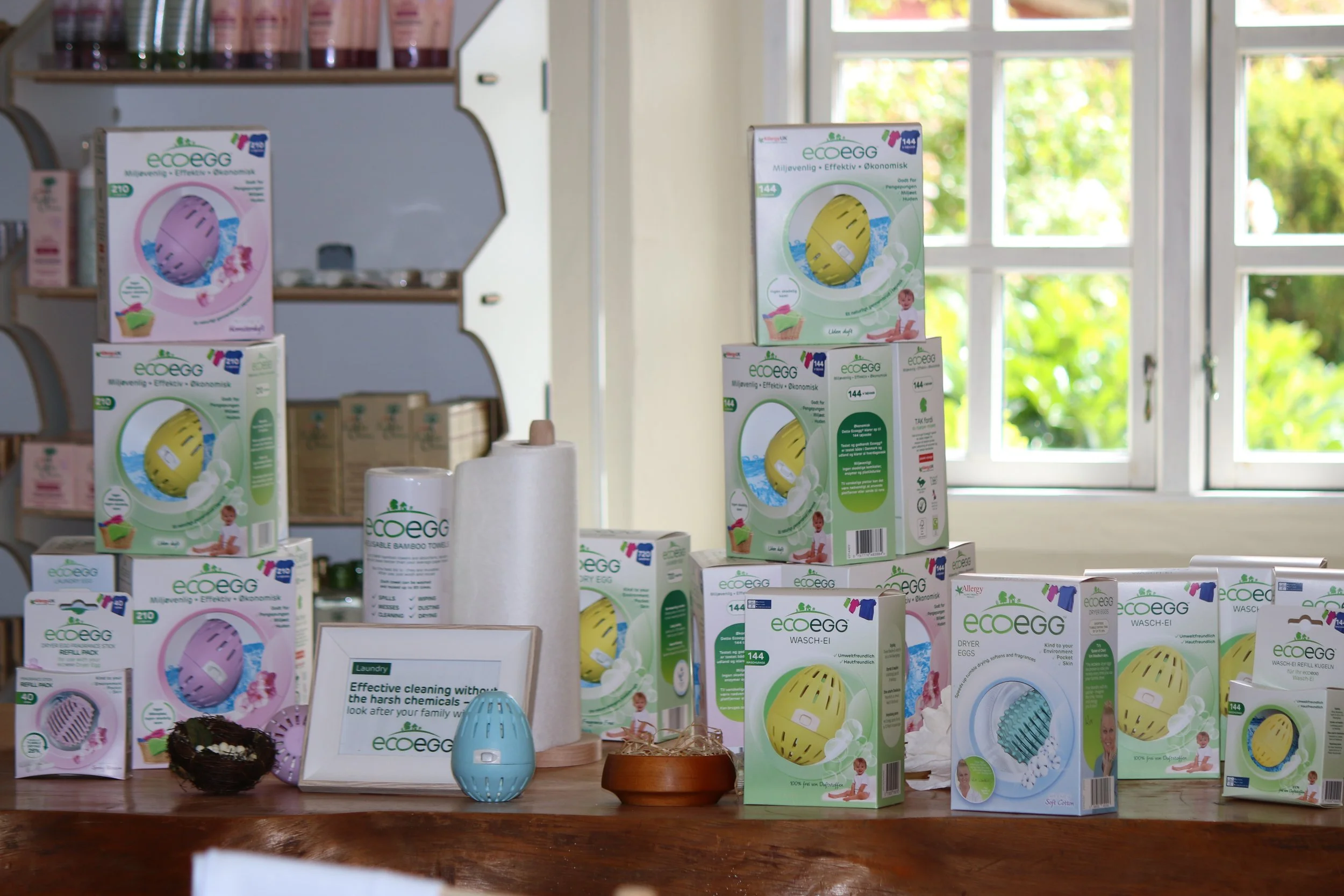


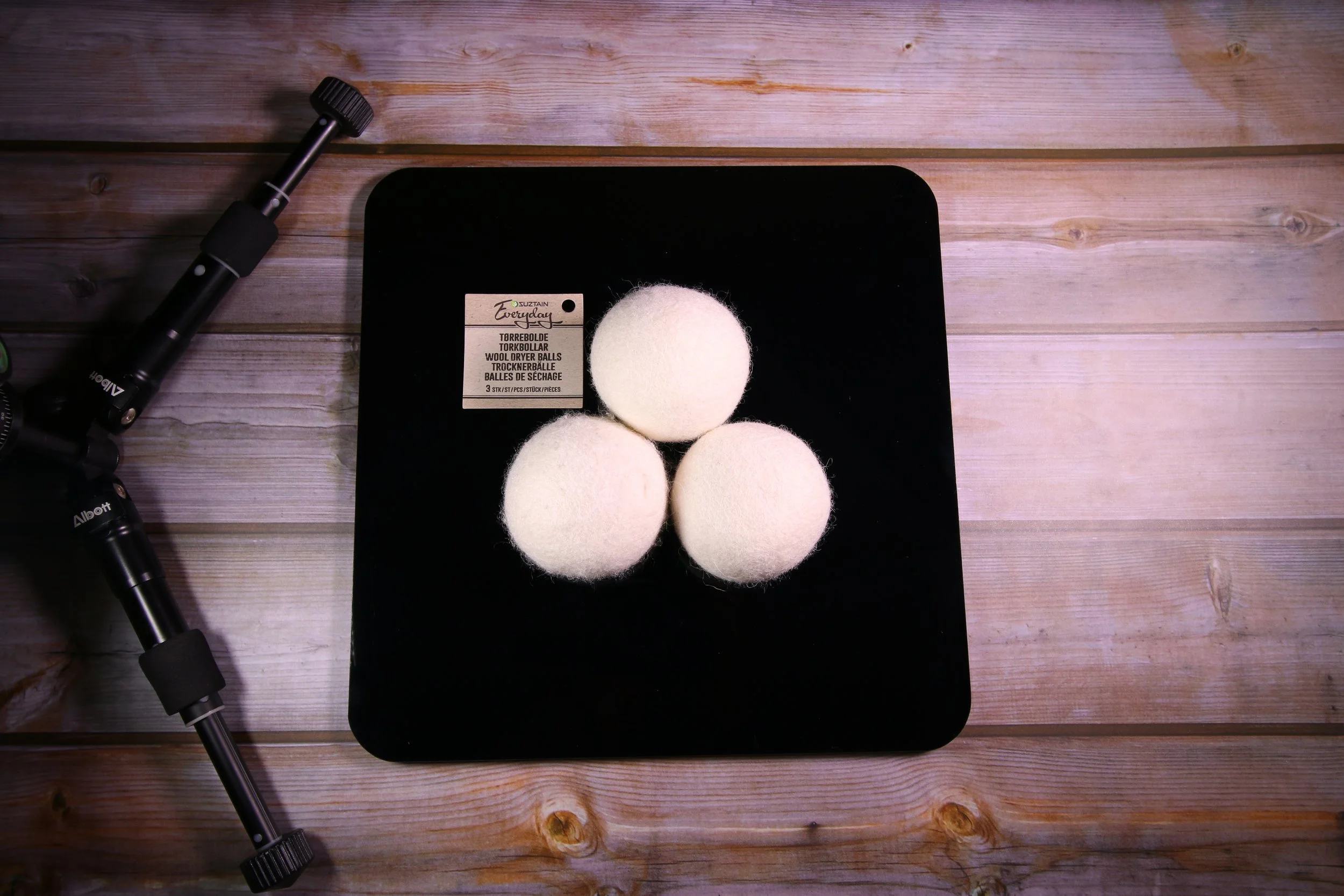


What I found over the last several years, was I was being asked more often to create content where I couldn’t necessarily find what I needed. So, I began taking and amassing a large collection of stock photos and decided to start to upload them at Shutterstock for others to also be able to use for their own creative pursuits. Whether it is a business customer looking for content for internal communication projects (i.e. newsletters, flyers, team building or reward programs) or content creators who need easy and instant access to a wide variety of royal free photos. That’s what Shutterstock is for. If that sounds like something you need or know of someone who does, free feel to share my Shutterstock link https://www.shutterstock.com/en/g/cakjak?rid=424049967 It will not cost you or anyone else more money, but Shutterstock does reward contributors for referral that generate purchases and for that I would be grateful to anyone who subscribes and purchases any of the talented contributors photos through my link.
And lastly, I know I have several talented photography friends. If you’re interested in hearing how I got approved, what my results are, and some realistic expectations and advice, reach out and I’ll share them with you privately. If you want to dip your toes into trying to be a Shutterstock contributor yourself, sign up with this link: https://submit.shutterstock.com/?rid=424049967&language=en Here too, it will cost you nothing (there are absolutely no fees to being a contributor), but Shutterstock rewards referrals and once a referred contributors sells their photos on their site I can get a few cents too.
Sometimes, it takes a village to make something of yourself doing what you love and enjoy …. and you are my clan so thanks for following, encouraging and supporting in any way you can.

Taking Back My Voice
It all begins with a single idea.
Floundering and a feeling a little out of my element (how hasn’t these last few years), I came to understand that starting a career in voice over and narration literally allowed me to “Get My Voice Back”
Or I could have titled this just as easily - “It’s Personal, but don’t take it Personally”.
There are many different types in this world — different faces, different mindsets, different abilities, different personalities and more than 7 billion different voices.
Mine is just one voice, but it is mine.
And yet, my voice had felt a little less my own for some years. But one thing has always been true from the very onset of my being. I’m a creative type with a huge imagination and a playful spirit that hasn’t been playful at all in years.
It was not anyone’s fault nor had it been my voice that suddenly betrayed me, it was me that betrayed my voice. I let it disappear and become silent and a little laissez faire. I’m more introvert than extrovert … actually, there is nothing extroverted about me. On the Myers-Briggs Personality Type tests administered to me, the I and E indicators had some significant space between them on the scale. So, some might imagine personality wise perhaps, shrinking into a backdrop, making myself small and moving unnoticed could just be a natural result in losing my voice.
It is almost a year ago, I stood with my hands in a dear friends as she looked me in the eyes and I vowed to take back my life. I have. I’m still an introvert, but in doing so, I’ve begun to hear my voice a little more, and as I did …. Well, I liked it.
I liked not being afraid of being honest about how I felt. I liked feeling empowered again. I liked my actual voice.
Taking Back My Voice is more than a hashtag or blog title though as I realized my voice was very clearly and precisely leading me back to myself. That playful, creative, interesting, independent voice I lost somewhere between Milwaukee, Kathmandu, Copenhagen, Berlin, Oslo and the more than 60+ other places between them and the little town I currently live.
I realize that this new path is not something you do on a whim and that not everyone who has a pleasant voice can make it on radio, tv, or online using it. Until this year, I had not even realized there was a career choice in voice over or narration work. However, once I opened my ears, it is now the first thing that registers when I’m seeing or hearing anything on tv, radio or online. Voice over work and narration all of a sudden resonated with me in a way I haven’t felt in a long time.
It feels right. It feels scary. Right now, as I begin and am practicing and listening and applying techniques … It feels like bloody hard work and it IS hard work. It feels like the biggest risk of my life and a huge challenge. And that brings me straight back to …. It feels right.
But at some point I had to either commit or just keep hearing myself through my headphones while sitting in a room all alone wondering if I had what it takes to make it on this path.
I believe I do, so as of right now, I’m Taking Back My Voice and applying it, practicing with it, improving it, growing it and using it for a career in voice over and narration.
For my immediate family and friends who may have just read this wondering … What? Did you ever believe I’d seriously retire? And, no, I haven’t quit my day job … YET!